In the Metal Processing Industry Fiber laser cutting has emerged as one of the most reliable and widely used cutting technologies across metal fabrication industries. From automotive components to industrial machinery, fiber laser cutting delivers clean cuts with high accuracy and minimal material waste.
Understanding its definition, process, parameters, and types of Fiber Laser Cutting helps manufacturers choose the right cutting solution for customers needs.
What is Fiber Laser Cutting?
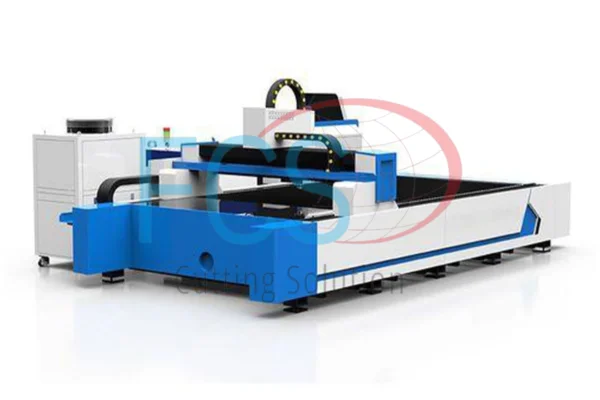
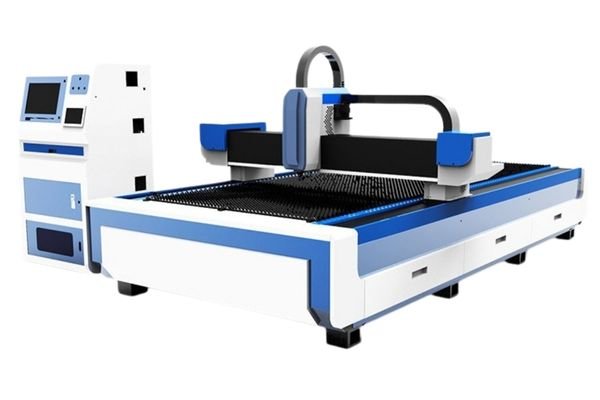
Fiber laser cutting is a high-precision thermal cutting process that uses a concentrated laser beam generated through optical fiber technology to cut metal materials. The laser beam is produced by a fiber optic source doped with rare-earth elements, which amplifies the light to extremely high power.
The focused laser melts or vaporizes the material, while an assist gas removes molten metal from the cutting area, resulting in clean, narrow, and accurate cuts. Fiber laser cutting is widely preferred over traditional methods due to its high speed, energy efficiency, and low maintenance.
Fiber Laser Cutting Process
The fiber laser cutting process is fully automated and controlled by CNC systems to ensure accuracy and consistency.
1. Laser Beam Generation: The laser beam is generated inside a fiber laser source and amplified within optical fibers, eliminating the need for mirrors and reducing energy loss.
2. Beam Transmission: The laser beam travels through flexible fiber optic cables directly to the cutting head, ensuring stable and efficient power delivery.
3. Focusing of the Laser: A high-precision lens focuses the laser beam onto a very small spot on the material surface, creating high energy density.
4. Material Cutting: The intense heat melts or vaporizes the metal along the programmed cutting path.
5. Assist Gas Support: Gases such as oxygen, nitrogen, or compressed air blow away molten material and enhance edge quality.
6. CNC Motion Control: The CNC system controls the movement of the cutting head, enabling complex shapes and consistent results.
Parameters of Fiber Laser Cutting
The cutting quality and efficiency depend on several important parameters:
1. Laser Power: Measured in kilowatts (kW), laser power determines the maximum thickness and cutting speed of the material.
2. Cutting Speed: Proper cutting speed ensures smooth edges and prevents burning or incomplete cuts.
3. Focus Position: Accurate focus position helps achieve narrow kerf width and high-quality edges.
4. Assist Gas Type and Pressure
- Oxygen: Used for carbon steel cutting
- Nitrogen: Suitable for stainless steel and aluminum to prevent oxidation
- Compressed Air: Cost-effective option for thin sheets
5. Material Type and Thickness: Different metals and thicknesses require optimized power and speed settings.
6. Nozzle Size: Correct nozzle diameter ensures proper gas flow and cutting stability.
Types of Fiber Laser Cutting
Fiber laser cutting can be classified into different types based on laser power, cutting method, and application requirements. Each type is designed to suit specific materials, thickness ranges, and production needs. Understanding these types helps manufacturers choose the most suitable fiber laser cutting solution for their operations.
1. Low-Power Fiber Laser Cutting
Low-power fiber laser cutting systems are typically used for thin sheet metal, fine detailing, and precision work. These systems operate at lower laser power levels and are ideal for applications where accuracy is more important than thickness capability.
Key Features:
- High precision and clean edge quality
- Suitable for thin materials
- Lower energy consumption
2. Medium-Power Fiber Laser Cutting
Medium-power fiber laser cutting machines are widely used in general industrial and fabrication applications. They offer a balanced combination of cutting speed, thickness capacity, and operational efficiency.
Key Features:
- Versatile cutting capability
- Stable performance for medium thickness metals
- Cost-effective for mass production
3. High-Power Fiber Laser Cutting
High-power fiber laser cutting is designed for heavy-duty industrial applications where thicker metal plates need to be cut with high speed and precision. These systems operate at high laser power levels and deliver superior productivity.
Key Features:
- Ability to cut thick metal plates
- High cutting speed and efficiency
- Excellent edge quality with minimal secondary processing
4. Fusion Fiber Laser Cutting
Fusion cutting is a widely used fiber laser cutting method that relies on melting the material without oxidation. Nitrogen or inert gas is used as an assist gas to blow away molten material.
Key Features:
- Clean and bright cut edges
- No oxidation on the cutting surface
- Ideal for aesthetic and precision components
5. Flame Fiber Laser Cutting
Flame cutting uses oxygen as an assist gas along with the fiber laser beam. The oxygen reacts with the metal, increasing the cutting speed, especially for carbon steel.
Key Features:
- High cutting speed for mild steel
- Efficient for thicker materials
- Economical for large-scale production
6. Remote Fiber Laser Cutting
Remote fiber laser cutting is an advanced technique where the laser beam is controlled using scanning optics rather than traditional mechanical movement. This allows extremely fast processing.
Key Features:
- Ultra-high cutting speed
- Minimal mechanical wear
- High precision for complex patterns
7. Fine Precision Fiber Laser Cutting
This type focuses on micro-level accuracy and detailed cutting, making it ideal for components that require tight tolerances.
Key Features:
- Extremely narrow kerf width
- Minimal heat-affected zone
- High repeatability
Materials Suitable for Fiber Laser Cutting
Fiber laser cutting is highly effective for a wide range of metals, including:
- Mild steel
- Stainless steel
- Aluminum
- Brass
- Copper
- Galvanized sheets
Fine Cutting Solution specializes in fiber laser cutting for both ferrous and non-ferrous metals, ensuring high accuracy and superior surface finish.
Advantages
- High cutting speed and productivity
- Excellent precision and repeatability
- Minimal material wastage
- Low maintenance compared to CO₂ lasers
- Energy efficient and eco-friendly
- Ability to cut reflective metals like copper and brass
Applications of Laser Fiber Cutting
Fiber laser cutting is widely used in industries such as:
- Automotive and aerospace
- Sheet metal fabrication
- Electrical enclosures and panels
- Medical equipment manufacturing
- Furniture and architectural metalwork
- Industrial machinery components
Conclusion
Fiber laser cutting has revolutionized the metal fabrication industry by offering unmatched speed, accuracy, and efficiency. As a leading Fiber Laser Cutting Machine Manufacturer, we focus on high quality standards and precise cutting performance to deliver accurate, clean, and consistent results. Our machines are designed using advanced technology and robust components to ensure superior cutting accuracy, reliability, and long-term operational efficiency across diverse metal cutting applications.
With advanced technology, reliable performance, and precision-engineered systems, Fine Cutting Solution stands as a trusted provider of fiber laser cutting solutions for modern industrial applications.