
In today’s manufacturing and fabrication industries, precision, speed, and efficiency define the quality of metal-cutting processes. Among the many technologies available, CNC Laser Cutting has emerged as one of the most advanced and dependable methods for cutting metals and non-metals with extreme accuracy. From automotive components and industrial machinery to signage and architectural structures, CNC laser cutting offers a level of detailing that traditional cutting methods cannot match.
This is where Fine Cutting Solution, a leading manufacturer of CNC laser cutting machines, plays a crucial role. Our advanced machines combine robust construction, cutting-edge technology, and user-friendly operation—making them ideal for a wide range of industrial applications.
In this blog, let’s explore what CNC laser cutting is, how it works, its components, types, advantages, applications, and why industries worldwide trust this modern cutting technology.
What is CNC Laser Cutting?
CNC Laser Cutting is a modern manufacturing process that uses a high-powered, focused laser beam to cut, engrave, or shape different materials with extreme precision. The term CNC stands for Computer Numerical Control, meaning the cutting process is automated and controlled by pre-programmed software.
Laser CNC cutting relies on thermal energy. The intense heat of the laser melts, burns, or vaporizes the material, producing clean, smooth, and accurate cuts. This makes laser cutting one of the best choices for industries that require detailed designs, smooth edges, tight tolerances, and fast production.
How Does CNC Laser Cutting Work?
The working mechanism of a CNC laser cutting machine combines advanced optics, computer technology, and thermal energy. Here’s a clear breakdown of the process:
1. Designing the Cutting File
The process begins with a digital design created on CAD (Computer-Aided Design) software. The user designs the pattern, shape, or component that needs to be cut. This file is then exported to the CNC system in formats like DXF, DWG, or similar.
2. Converting the Design into Machine Code
The CNC controller converts the CAD design into machine-readable code called G-code.
This G-code directs the machine on:
- where to cut
- how deep to cut
- at what speed to move
- the power level of the laser
- the exact cutting path
3. Generating the Laser Beam
The laser cutting machine generates a high-powered laser beam using one of the following sources:
- CO₂ laser
- Fiber laser
- Nd:YAG laser
Modern machines, such as those manufactured by Fine Cutting Solution, typically use fiber laser technology because it offers higher speed, low power consumption, and excellent cutting quality.
4. Focusing the Laser
The laser beam passes through lenses and mirrors that focus it into a very fine point. This focused spot contains extremely concentrated heat—often exceeding 10,000°C.
5. Melting or Vaporizing the Material
When the focused laser hits the material:
- it melts
- burns
- or vaporizes the surface
At the same time, a high-pressure assist gas (oxygen, nitrogen, or air) blows away the molten material, leaving behind a clean, precise cut.
6. CNC Controls the Cutting Motion
The CNC system controls the movement of the laser head or worktable in X, Y, and Z directions. This ensures:
- highly accurate motion
- repeatability for mass production
- minimal human error
The result is a perfectly cut component with accuracy often within ±0.1 mm.
Types of CNC Laser Cutting
1. CO₂ Laser Cutting
- Uses CO₂ gas as the laser medium
- Best for cutting wood, acrylic, plastic, and some metals
2. Fiber Laser Cutting
- Uses optical fibers with rare earth elements
- Highly efficient and extremely powerful
- Best for cutting all types of metals including stainless steel, mild steel, aluminum, copper, brass, etc.
- Most widely used in modern industries
3. Crystal Laser Cutting (Nd:YAG)
- Suitable for thicker materials
- More costly and high maintenance
Among these, fiber laser cutting is the top choice for industrial applications due to speed, precision, and low running cost.
Applications of CNC Laser Cutting
CNC laser cutting is widely used in:
- Automotive components
- Sheet metal fabrication
- Aerospace industry
- Agricultural machinery
- Construction and structural fabrication
- Electrical enclosures
- Furniture and interior design
- Signage and advertising boards
- Machinery parts manufacturing
- Precision engineering
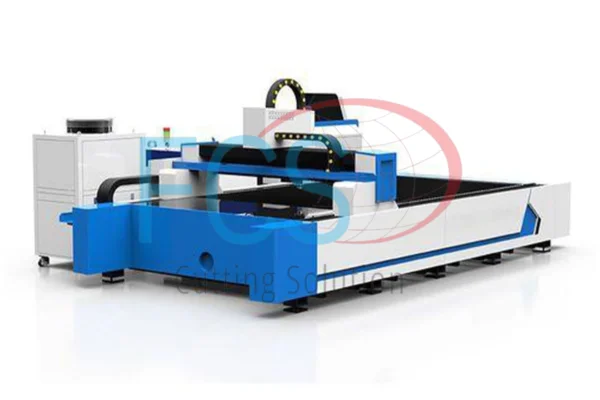
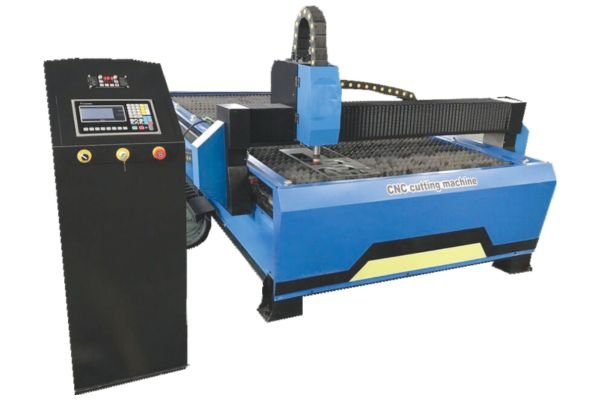
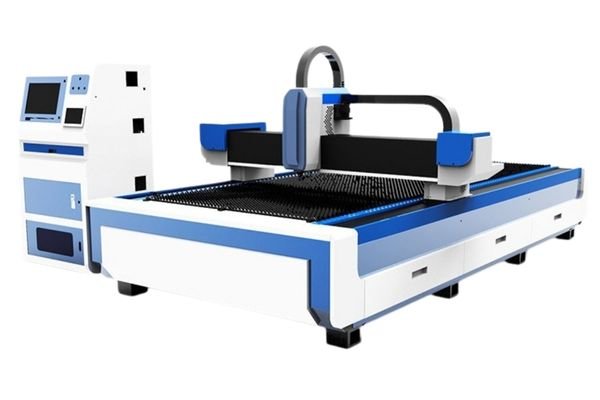
Main Components of a CNC Laser Cutting Machine
To understand its function better, here are the key components:
1. Laser Source: Generates the laser beam. Fiber lasers are the most common today.
2. CNC Controller: The brain of the machine. It controls all motions and parameters.
3. Cutting Head: Contains focusing lenses and nozzles to direct the laser precisely.
4. Optical System: Mirrors and lenses to guide and focus the laser beam.
5. Worktable: Where the sheet or material is placed.
6. Assist Gas System: Blows away molten metal and improves cutting quality.
7. Cooling Unit: Keeps the laser source and machine cool.
8. Exhaust/Fume Extraction: Removes fumes generated during cutting.
High-quality machines from Fine Cutting Solution integrate all these components in a durable and efficient design, ensuring smooth operation and long service life.
Advantages of CNC Laser Cutting
CNC laser cutting offers a long list of benefits compared to traditional cutting methods like plasma cutting, mechanical sawing, or oxy-fuel cutting.
1. High Precision and Accuracy: CNC laser machines produce extremely fine cuts with tight tolerances. This is essential for complex designs and precision-dependent industries.
2. Smooth & Burr-Free Edges: Laser cutting leaves clean, sharp edges that require little to no finishing, reducing production time.
3. Fast Cutting Speed: Fiber lasers cut materials much faster than traditional cutting methods.
4. Minimal Material Waste: Laser cutting follows exact digital files, ensuring maximum material utilization.
5. Ability to Cut Complex Shapes: Even intricate patterns, small holes, logos, and detailed geometries can be cut easily.
6. Suitable for Many Materials
Laser cutting can work on:
- stainless steel
- mild steel
- aluminum
- copper
- brass
- acrylic
- wood
- composites
7. Highly Automated & Safe: The CNC system reduces human error and enhances workplace safety.
Fine Cutting Solution – A Leading CNC Laser Cutting Machine Manufacturer
Fine Cutting Solution stands as a trusted and leading CNC Laser Cutting Machine manufacturer, delivering high-precision metal cutting technology for modern industries. We focus on creating advanced, reliable, and energy-efficient laser cutting systems that ensure superior speed, accuracy, and consistency in every cut.
Our machines are designed with robust construction, intelligent control systems, and advanced laser sources that allow industries to cut various metals such as stainless steel, mild steel, aluminum, brass, and copper with smooth edges and minimal material wastage.
Conclusion:
CNC Laser Cutting has become an indispensable technology in modern manufacturing due to its unmatched precision, speed, and versatility. Whether you’re cutting metals, creating intricate designs, or achieving high-volume production, laser cutting ensures superior quality with minimal errors. With advancements in fiber laser technology, industries are now able to achieve faster, cleaner, and more cost-efficient cutting processes.
We continue to push technological boundaries by delivering advanced CNC laser cutting machines that meet the growing needs of today’s industries. Our commitment to quality standards, performance and innovation makes us a trusted partner for businesses aiming for excellence in fabrication and metal processing.