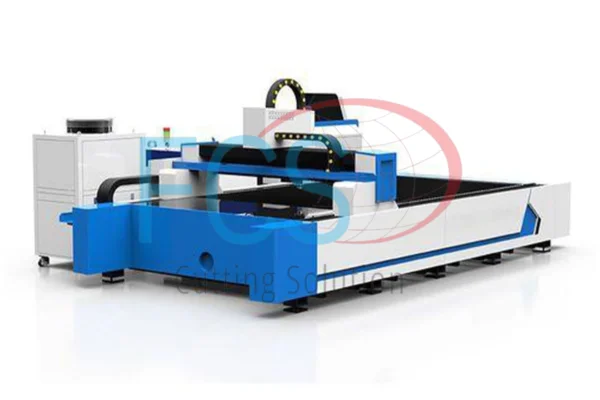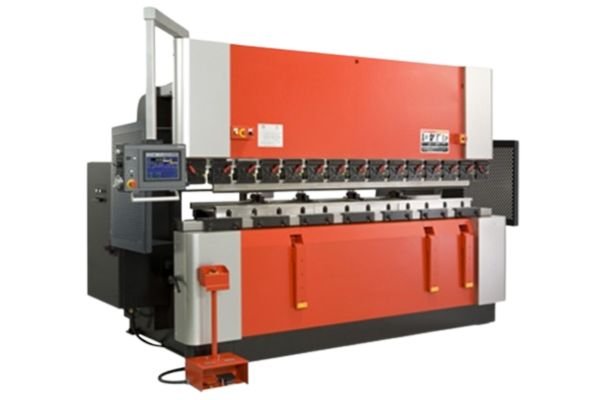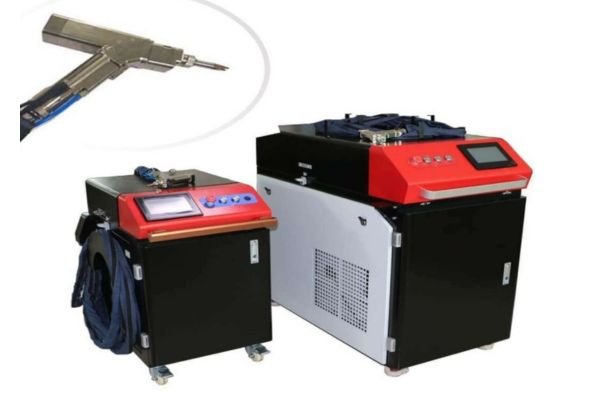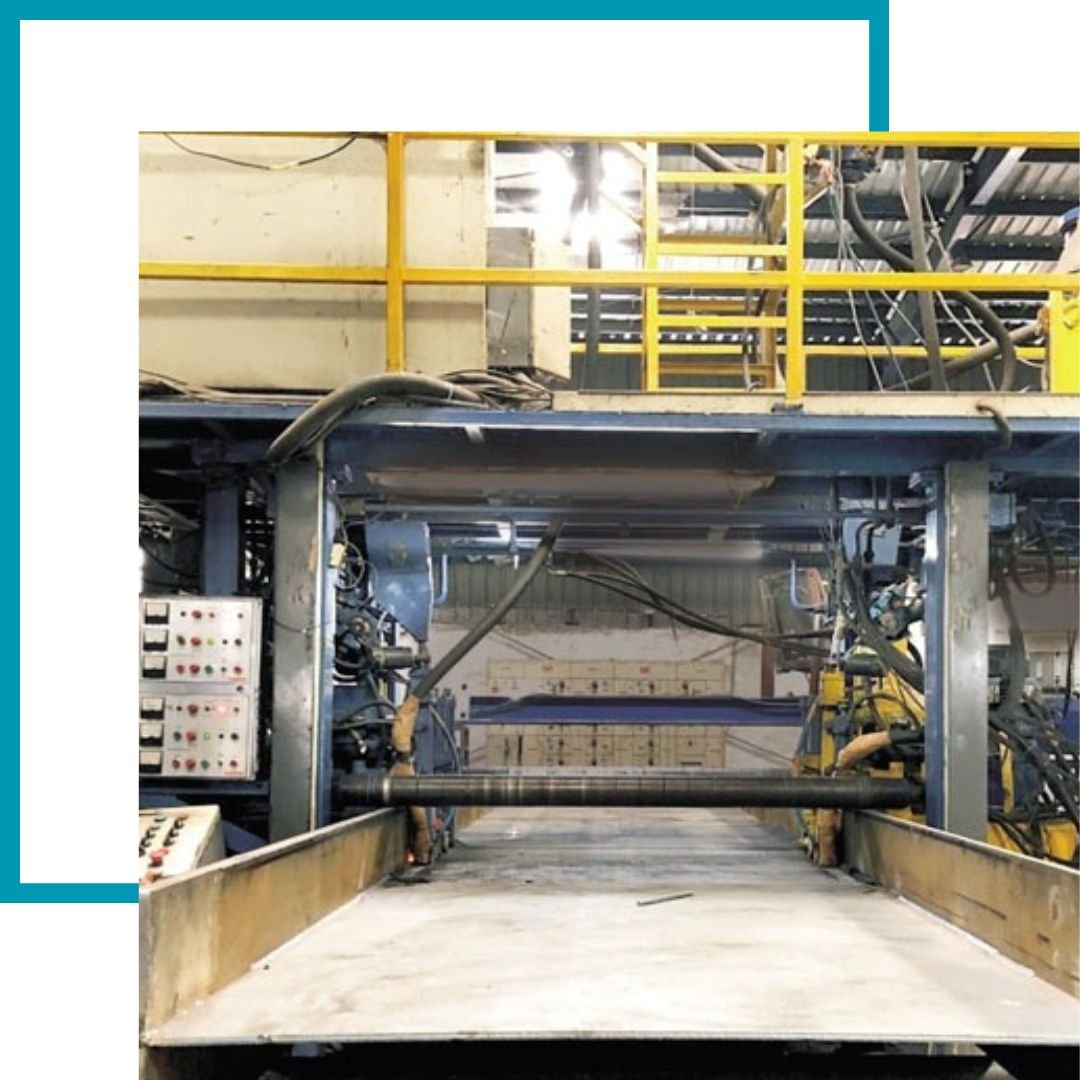
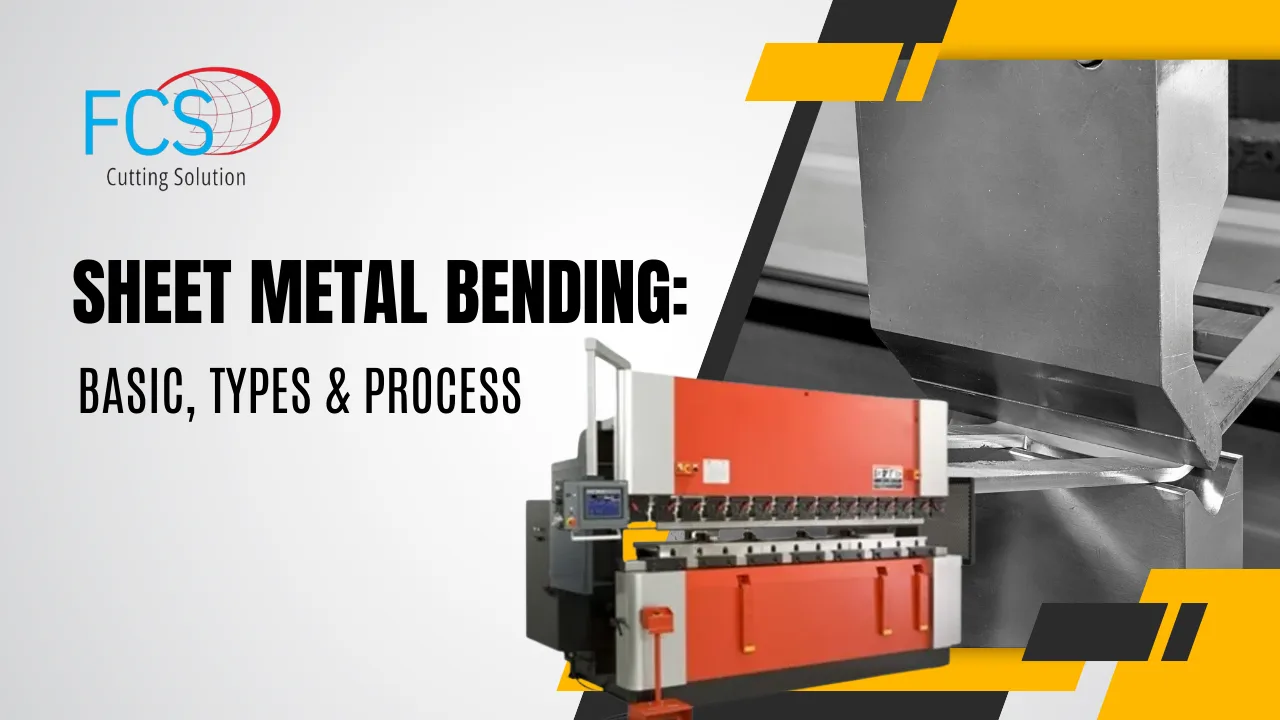
Sheet metal bending is one of the most essential and widely used manufacturing processes in the metal fabrication industry. It allows flat metal sheets to be transformed into strong, functional, and precisely shaped components without cutting or removing material. From small brackets to large industrial enclosures, sheet metal bending plays a vital role in automotive, construction, electrical, HVAC, and heavy engineering sectors. With the use of modern machinery and advanced technology, bending operations today offer high accuracy, repeatability, and productivity. Fine Cutting Machine, a leading manufacturer of sheet metal machinery, provides advanced bending solutions that meet the growing demands of modern industries.
What is Sheet Metal Bending?
Sheet metal bending is a metal forming process in which force is applied to a metal sheet to deform it along a straight axis, creating angles or shapes such as V, U, or channel forms. During bending, the metal undergoes plastic deformation while maintaining nearly uniform thickness. This process is preferred because it is cost-effective, efficient, and suitable for mass production.
Common materials used in sheet metal bending include:
- Mild Steel (MS)
- Stainless Steel (SS)
- Aluminum
- Copper
- Brass
The final quality of a bent component depends on several factors, including material properties, thickness, tooling, bending method, and the precision of the bending machine used.
Basics of Sheet Metal Bending
To achieve accurate and consistent bending results, it is important to understand the fundamental concepts involved in the process.
Bend Angle
The bend angle is the angle formed between the two flanges of the bent sheet. It can vary depending on design requirements and must be controlled precisely to ensure proper assembly and fit.
Bend Radius
The bend radius refers to the inside radius of the bend. A proper bend radius helps prevent cracking, material failure, and loss of strength, especially in harder metals.
Bend Allowance
Bend allowance is the amount of extra material added to account for stretching of the metal during bending. Accurate calculation of bend allowance ensures dimensional accuracy of the final component.
Springback
After bending, metal tends to partially return to its original shape due to its elasticity. This phenomenon, known as springback, must be compensated for by applying additional force or using precise machine settings.
Types of Bending in Sheet Metal
In sheet metal bending, various bending methods are used, depending on the material thickness, accuracy requirements, and production volume. The main types of sheet metal bending are explained below in clear and easy language:
Different bending techniques are used based on component design, material type, thickness, and production volume.
1. V-Bending
V-bending is the most common bending method and uses a V-shaped punch and die. It is suitable for a wide range of materials and thicknesses and is commonly used in general fabrication work.
2. U-Bending
U-bending is used to create U-shaped profiles and channels. This method requires higher bending force and is often used in structural and enclosure manufacturing.
3. Air Bending
In air bending, the sheet metal does not fully contact the die, allowing multiple bend angles to be achieved using the same tool. It is energy-efficient, flexible, and widely used in CNC press brake machines.
4. Bottoming
Bottoming involves pressing the sheet completely into the die, resulting in high accuracy and reduced springback. However, it requires higher tonnage and precise tooling.
5. Coining
Coining is a high-pressure bending process that produces extremely precise angles with minimal springback. It is used for high-precision and critical components where accuracy is essential.
Fine Cutting Machine, as a leading manufacturer, offers advanced press brake and sheet metal bending machines capable of performing all major bending techniques efficiently.
Bending Process
In the sheet metal bending process, a flat metal sheet is bent with controlled force to achieve the required angle or shape. This process begins with material selection and bend calculations, which determine the bend angle, bend radius, and allowance. Following this, a suitable punch and die are selected, and the machine is set up.
During the sheet metal bending operation, the sheet is placed on the die, and the punch applies pressure to bend the metal into the desired shape. After bending, springback control and final inspection are performed to ensure accurate, strong, and uniform components.
Sheet Metal Bending Process – Step by Step
The sheet metal bending process involves a series of well-defined steps to ensure quality and accuracy:
Step 1: Material Selection
The process begins with selecting the appropriate metal material and thickness based on strength, durability, and application requirements.
Step 2: Design and Engineering
Engineers calculate bend angles, bend allowance, and bend radius using formulas or CAD/CAM software to ensure dimensional accuracy.
Step 3: Tool Selection
The correct punch and die are selected based on the bending method, material type, and required angle.
Step 4: Machine Setup
Machine parameters such as tonnage, stroke length, back gauge position, and bending speed are set accurately.
Step 5: Bending Operation
Controlled force is applied to bend the sheet metal into the desired shape using mechanical, hydraulic, or CNC bending machines.
Step 6: Inspection and Finishing
The bent component is inspected for accuracy, angle consistency, and surface finish before final use or assembly.
With advanced CNC bending solutions from Fine Cutting Machine, manufacturers can achieve faster production cycles, reduced material wastage, and consistent quality output.
Importance of Choosing the Right Bending Machine Manufacturer
The success of sheet metal bending operations largely depends on the quality of the bending machine. A reliable manufacturer ensures:
- Robust and durable machine construction
- High bending accuracy and repeatability
- Advanced CNC and hydraulic technology
- Customization options for different applications
- Reliable after-sales support and service
Fine Cutting Machine is widely recognized as a leading manufacturer of sheet metal bending machines, offering technologically advanced solutions that meet international quality standards.
Advantages
Using advanced bending machines provides several benefits:
- Improved dimensional accuracy
- Consistent and repeatable bending results
- Reduced setup and cycle time
- Lower material wastage
- Enhanced operator safety
Machines from Fine Cutting Machine are built to deliver these advantages, helping manufacturers improve efficiency and overall production quality.
Conclusion
Sheet metal bending is a fundamental metal forming process that enables manufacturers to convert flat metal sheets into precise and functional components. Understanding the basics, types, and process of sheet metal bending helps industries optimize production, reduce errors, and maintain high-quality standards.
By investing in advanced bending solutions from Fine Cutting Machine, manufacturers can achieve superior accuracy, increased productivity, and long-term operational reliability. With a strong focus on innovation, quality, and customer satisfaction, we continue to set benchmarks as a trusted and leading manufacturer in the sheet metal machinery industry.